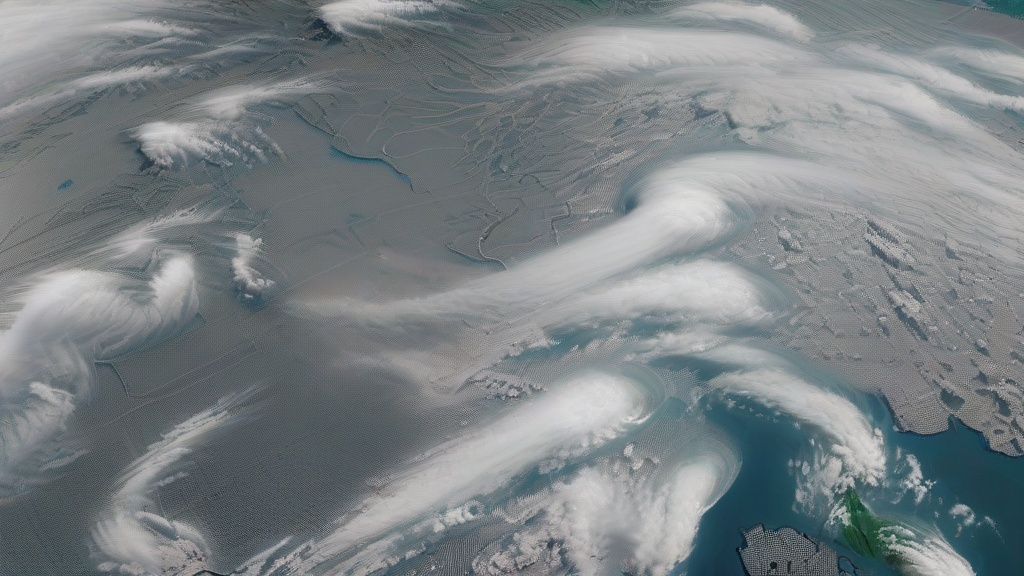
The planet is sending urgent signals through its weather systems. As global temperatures rise, once-rare meteorological phenomena are becoming commonplace. Two striking examples—persistent smog and violent thunderstorms—illustrate how climate change is altering atmospheric dynamics in ways that directly impact human health, infrastructure, and ecosystems.
These extreme weather events are not isolated incidents but interconnected manifestations of a warming world. The same mechanisms driving record-breaking heatwaves also create conditions for stagnant air masses that trap pollutants, while increased atmospheric energy fuels more intense convective storms. Understanding this relationship requires examining both the chemical and physical transformations occurring in our atmosphere.
The Smog Crisis: Invisible Killer in Urban Skies
Modern cities frequently resemble science fiction dystopias as gray-brown haze blots out skylines. This atmospheric soup results when sunlight reacts with pollutants from vehicles, industry, and coal-fired power plants. The problem worsens during temperature inversions when warm air traps cooler air near the ground, preventing pollution dispersion.
Beijing's infamous 'airpocalypse' events demonstrate this phenomenon at its worst. In January 2013, PM2.5 concentrations reached 900 micrograms per cubic meter—36 times the WHO safe limit. Hospitals reported a 30% surge in respiratory admissions as children wore masks to school and air purifiers became essential household appliances.
The health impacts extend beyond immediate breathing difficulties. Chronic exposure to particulate matter correlates with increased rates of lung cancer, heart disease, and neurological disorders. A Harvard study linked long-term smog exposure to higher COVID-19 mortality rates, revealing how environmental degradation compounds public health crises.
Thunderstorm Intensification: Nature's Fury Unleashed
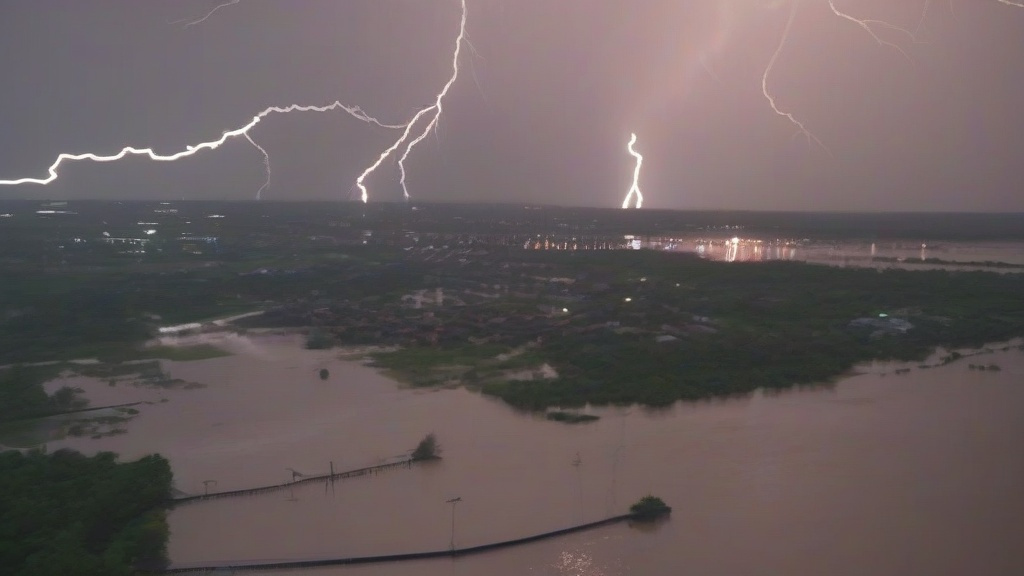
While smog represents atmospheric stagnation, thunderstorms embody its explosive energy release. Climate change is supercharging these events through two primary mechanisms: increased atmospheric moisture and enhanced instability.
Warmer air holds more water vapor—about 7% more per degree Celsius of warming. When this moisture-laden air rises, it condenses into towering cumulonimbus clouds. The resulting storms produce heavier rainfall, more frequent lightning, and stronger downdrafts. In 2021, Germany experienced a catastrophic example when a slow-moving thunderstorm complex dropped 150mm of rain in 24 hours, causing flash floods that killed 184 people.
Lightning activity has increased 12% globally since 1980, with the tropics seeing particularly dramatic rises. Each strike represents immense energy transfer—enough to power a 100-watt bulb for three months. This increased electrical activity poses growing risks to power grids, forests, and human safety.

The Climate Connection: Unraveling the Causal Web
These seemingly disparate phenomena share common roots in anthropogenic climate change. The burning of fossil fuels releases both greenhouse gases and aerosol pollutants. While CO2 drives long-term warming, particulate matter like black carbon has complex dual effects.
Black carbon particles absorb sunlight, warming the atmosphere locally while seeding cloud formation. This creates a paradoxical situation where some pollutants temporarily mask full warming effects while exacerbating air quality problems. Meanwhile, methane leaks from oil and gas operations—80 times more potent than CO2 over two decades—amplify the greenhouse effect without directly contributing to smog.
The atmospheric circulation patterns that govern weather systems are also shifting. The weakening of the polar jet stream due to Arctic amplification allows cold air masses to linger longer over continents, prolonging temperature inversions that trap pollutants. Simultaneously, this stalled weather pattern phenomenon increases the likelihood of prolonged storm events.
Solutions require systemic transformation. Transitioning to renewable energy addresses both root causes simultaneously—eliminating fossil fuel combustion reduces both greenhouse gases and air pollutants. Urban planning must incorporate green spaces that filter air and manage stormwater, while early warning systems need improvement to protect communities from sudden severe weather.
The choices made today will determine whether future generations inherit a planet of perpetual haze and violent storms or one where clean air and stable weather patterns prevail. The atmospheric processes connecting these phenomena remind us that environmental challenges demand holistic solutions recognizing Earth's interconnected systems.