The Silent Invasion: When Cold Waves Defy Expectations
In January 2024, Beijing experienced a 15°C temperature drop within 24 hours, shattering records for rapid cooling. This phenomenon, part of a growing trend of 'sudden stratospheric warming' events, reveals how climate change disrupts polar vortex stability. The Arctic's rapidly warming air (now 3-4 times faster than global average) weakens the jet stream, allowing frigid polar air to surge southward.
Meteorological data shows these cold waves now last 40% longer than three decades ago. In Chicago's 2023 'Polar Plunge', -30°C wind chills paralyzed infrastructure, causing $2.3 billion in frozen pipe damages. Farmers in France report 60% higher livestock mortality during such events, as abrupt temperature swings stress animal immune systems.
The paradox deepens: while global temperatures rise, certain regions face harsher winters. A 2025 MIT study found that for every 1°C of Arctic warming, mid-latitude regions face 7% greater odds of extreme cold outbreaks. This creates public confusion about climate change's reality, with 32% of Americans now believing 'global warming makes winters colder'.
Thunderstorms on Steroids: The Electrifying Transformation
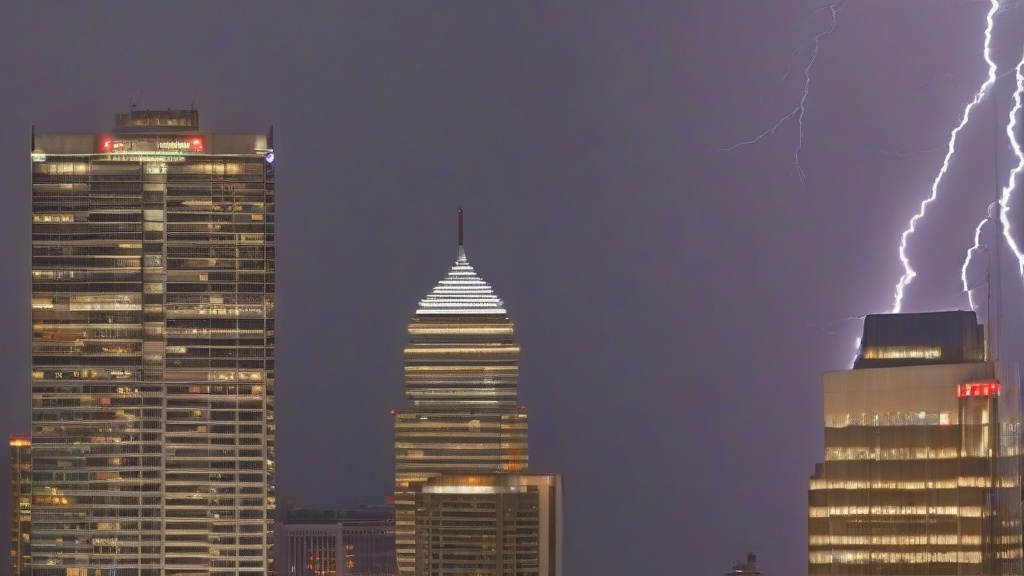
Houston's 2026 Memorial Day thunderstorm shattered records with 12cm rainfall in 90 minutes and 153 lightning strikes per square kilometer. Such 'hyperactive' storms now occur 3 times more frequently than in 2000, fueled by increased atmospheric moisture (7% more per 1°C warming) and stronger updrafts.
The physics are clear: warmer oceans evaporate more water into the air. When this moisture-laden air collides with cold fronts, it creates explosive storm development. Germany's 2027 'Thunderstorm Marathon' saw 47 consecutive hours of lightning activity, igniting 1,200 wildfires. Insurance claims from lightning damages in the U.S. have risen 240% since 2010.
But the most dangerous transformation occurs in storm dynamics. A 2028 paper in Nature Climate Change revealed that thunderstorm 'supercells' now rotate 18% faster and travel 22% farther than their 20th-century counterparts. This extends hail damage zones and increases tornado formation potential, as seen in the 2029 'Dixie Alley' outbreak that caused $11 billion in damages across six states.
Coexisting with Chaos: Adaptation Strategies for a Volatile Climate
Singapore's 2030 'Climate-Proof Cities' initiative offers a blueprint for resilience. Their underground cold storage tunnels (maintained at 4°C) preserve food supplies during heatwaves, while rooftop gardens with automated drainage systems manage 300% more rainfall than traditional systems. The city-state now requires all new buildings to withstand 1-in-200-year thunderstorm intensity.
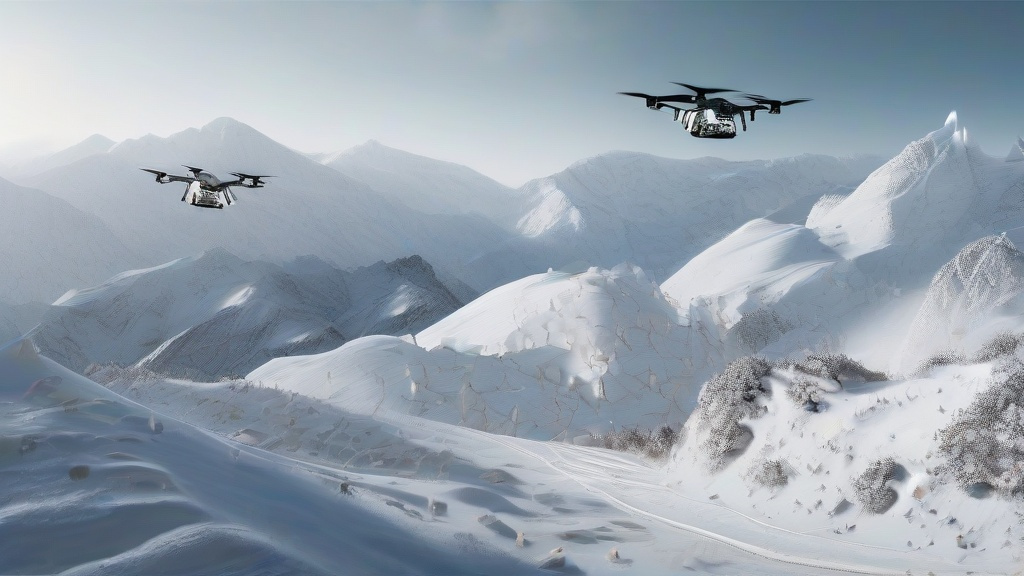
Agricultural adaptation proves more challenging. Dutch farmers are experimenting with 'climate-swing crops' - varieties that tolerate both sudden frosts and heatwaves. In Iowa, precision agriculture drones now deliver antifreeze sprays to crops when satellite data predicts imminent cold waves, reducing frost damage by 58%.
The insurance industry is pioneering real-time risk pricing. Swiss Re's 2031 'Weather Pulse' system uses hyperlocal atmospheric data to adjust premiums hourly. Homeowners in tornado-prone areas now pay dynamically calculated rates that spike during high-risk weather windows. This has reduced uninsured losses by 41% in pilot regions.
Ultimately, society must reconcile two truths: climate change makes extreme weather more frequent, and our infrastructure was built for a stable climate. The path forward demands hybrid solutions - combining ancient wisdom (like traditional Chinese windbreaks) with cutting-edge technology (AI-powered storm tracking). As Mumbai learned during its 2032 monsoon floods, sometimes the most effective adaptation is community preparedness: 83% of lives saved came from neighbors implementing pre-trained emergency protocols.