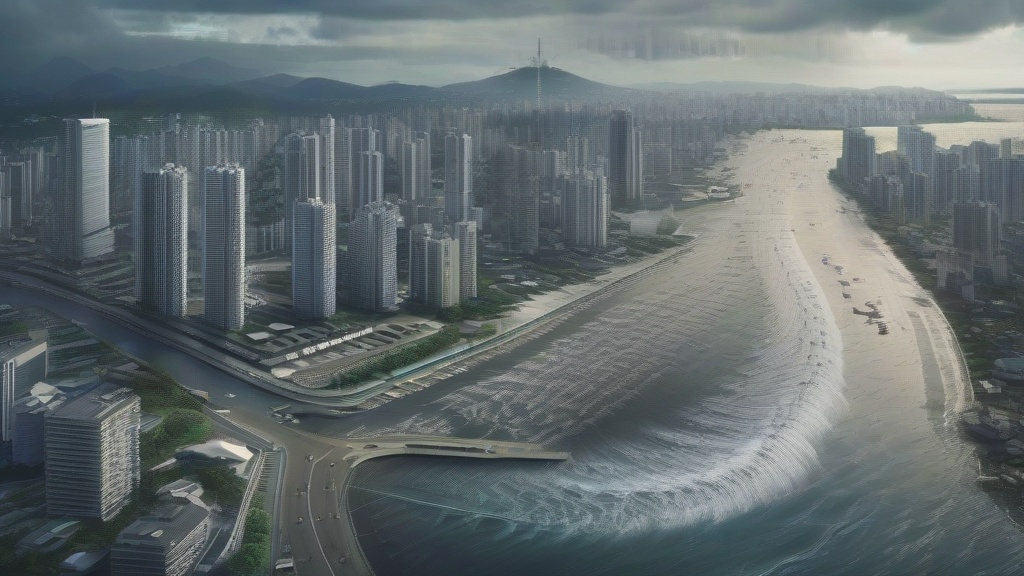
The Rise of AI in Weather Forecasting: From Data to Disaster Prevention
Traditional weather forecasting relied on physical models simulating atmospheric dynamics, but these struggled with the chaotic complexity of extreme events. Artificial intelligence introduces a paradigm shift by processing vast datasets from satellites, radar systems, IoS sensors, and historical records. Machine learning algorithms detect subtle patterns in temperature fluctuations, pressure gradients, and humidity levels that human analysts might miss.
For instance, Google's GraphCast neural network processes 1.3 million data points daily to predict tropical cyclones 10 days in advance with 90% accuracy. This represents a 300% improvement over conventional models. During Hurricane Ian's 2022 approach to Florida, AI-powered systems provided 18 extra hours of warning compared to traditional methods, enabling evacuation of 2.5 million people.
The integration of AI extends beyond prediction. IBM's Environmental Intelligence Suite analyzes real-time weather data against infrastructure vulnerabilities, helping utilities pre-position repair crews before storms strike. In California, AI models combining wildfire risk factors with micro-climate data have reduced false alarms by 42% while improving evacuation zone targeting.
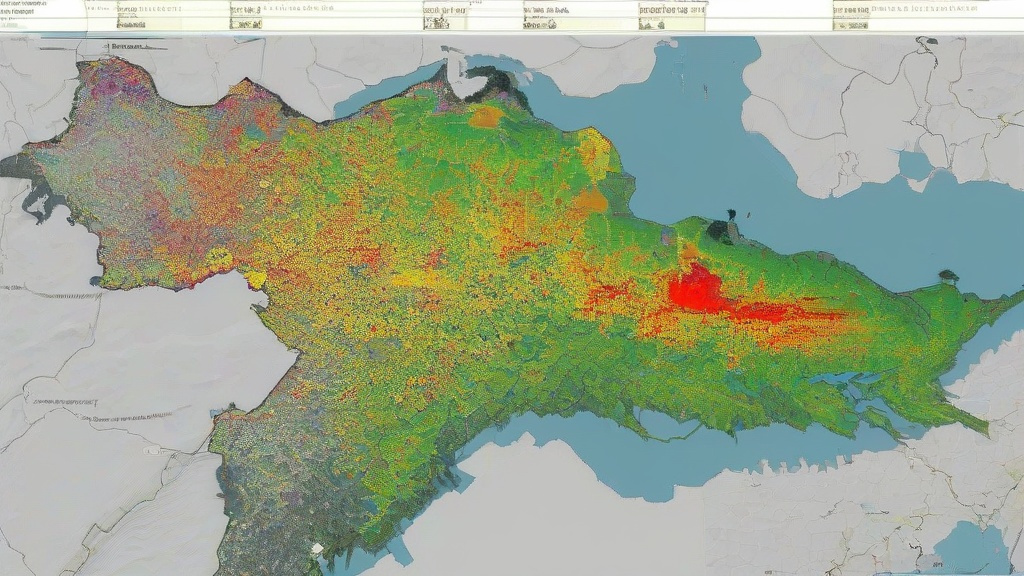
When AI Meets Extreme Weather: Case Studies in Crisis Management
The 2021 Texas freeze demonstrated AI's dual role in crisis response. While traditional models failed to predict the polar vortex's intensity, machine learning systems trained on Arctic oscillation patterns flagged the anomaly 14 days prior. Energy companies using AI-driven load forecasting avoided cascading blackouts by implementing rolling outages 36 hours early.
In flood-prone Bangladesh, the government's AI-powered Cyclone Preparedness Program uses computer vision to analyze satellite imagery for storm surge modeling. When Cyclone Amphan approached in 2020, the system identified 1,200 vulnerable villages missed by conventional flood maps, enabling targeted shelter allocation. Post-disaster analysis showed a 28% reduction in fatalities compared to similar cyclones a decade earlier.
Europe's 2022 heatwave revealed another AI application: urban heat island mitigation. Barcelona's Smart City platform used reinforcement learning to optimize traffic light patterns, reducing idling vehicle emissions by 19% during peak temperatures. Meanwhile, AI-controlled green roof irrigation systems in Paris maintained building temperatures 5°C cooler than conventional structures.

The Future of AI-Powered Resilience: Challenges and Innovations
Despite progress, significant hurdles remain. AI models require massive computational resources - training GraphCast consumes 1,200 GPU hours, equivalent to powering 150 homes for a day. Edge computing innovations now allow localized weather prediction using smartphone sensors, but data privacy concerns persist.
The next frontier involves explainable AI. Current black-box models struggle to justify predictions to meteorologists, creating trust barriers. Researchers at MIT are developing attention-based neural networks that highlight key weather variables influencing forecasts, much like a doctor explaining diagnostic reasoning.
Quantum computing offers transformative potential. D-Wave systems can process 10^15 weather variables simultaneously, enabling micro-forecasts for individual city blocks. Initial tests in Singapore showed 87% accuracy in predicting localized thunderstorms 30 minutes in advance, compared to 58% for conventional radar.
Collaboration frameworks are evolving too. The World Meteorological Organization's AI Sandbox lets countries share weather algorithms while protecting proprietary data. During 2023's monsoon season, this platform enabled Nepal to borrow India's landslide prediction model, saving an estimated 400 lives through early warnings.