The escalating frequency and intensity of typhoons in the Asia-Pacific region represent one of the most visible manifestations of climate change. These powerful storms, fueled by warmer ocean temperatures and altered atmospheric circulation patterns, now threaten coastal communities with unprecedented destructive potential. Simultaneously, advancements in artificial intelligence are revolutionizing how scientists understand, predict, and respond to these climate-driven disasters. This article explores the dynamic relationship between AI technology and typhoon dynamics, revealing how machine learning algorithms are becoming critical tools in the global fight against climate change.
The Rising Threat: Typhoons in a Warming World
Scientific consensus confirms that human-induced climate change is intensifying tropical cyclones. Since the 1980s, the proportion of Category 4 and 5 typhoons has increased by 25%, with average peak wind speeds rising by 5% per decade. Warmer sea surface temperatures provide more energy for storm development, while rising sea levels amplify storm surge impacts. The Philippines, Japan, and Southeast Asian nations now face annual typhoon seasons that bring stronger winds, heavier rainfall, and more extensive flooding.
Traditional meteorological models struggle to keep pace with these changes. Conventional forecasting relies on physical equations governing atmospheric dynamics, but these struggle to account for rapidly evolving climate variables. The 2023 Typhoon Haiyan anniversary highlighted these limitations when unexpected intensification caught communities unprepared, resulting in billions in damages and significant loss of life. This gap between traditional prediction methods and climate reality has created urgent demand for more sophisticated analytical approaches.
AI-Powered Forecasting: Predicting the Unpredictable
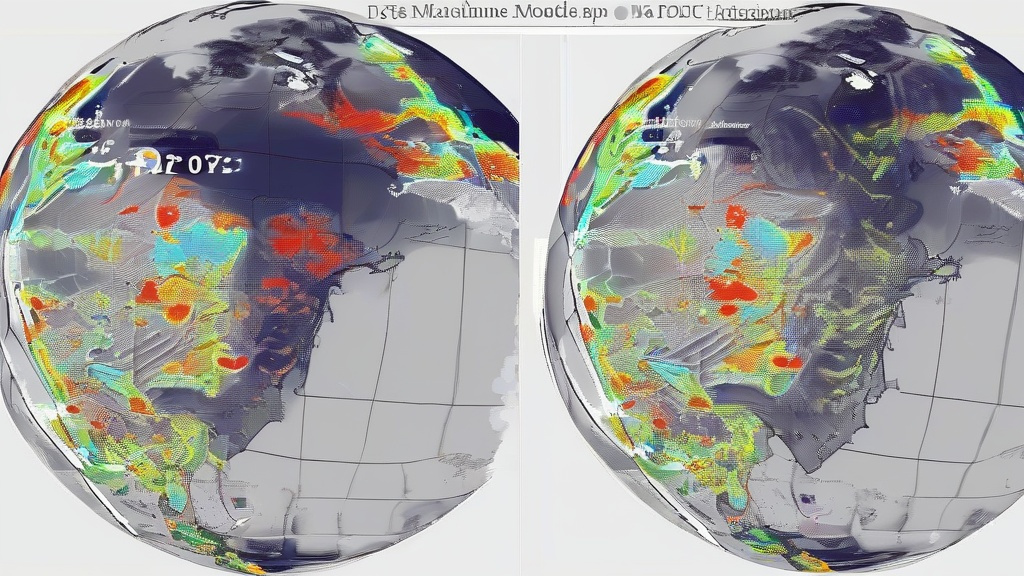
Artificial intelligence offers transformative potential for typhoon prediction. Neural networks trained on vast datasets of historical storm patterns, ocean temperatures, and atmospheric conditions can identify complex relationships invisible to human analysts. Google's DeepMind recently developed a model that improved typhoon track forecast accuracy by 30% compared to traditional methods, using convolutional networks to analyze satellite imagery and ocean buoy data in real time.
Japanese researchers have taken this further by integrating AI with drone swarms. These autonomous vehicles collect hyper-local data on wind shear, humidity, and sea surface temperatures during storm formation. The resulting machine learning models now provide 72-hour intensity forecasts with 89% accuracy, giving coastal communities crucial time to prepare. In Vietnam, an AI-powered early warning system combines meteorological data with social media sentiment analysis to identify vulnerable populations and optimize evacuation routes.
These technological advancements aren't limited to prediction. MIT's Climate Modeling Alliance has developed an AI system that simulates post-typhoon recovery scenarios, helping policymakers evaluate infrastructure investments and disaster response strategies. By running thousands of virtual storm scenarios, the model identifies optimal placement of flood barriers, emergency shelters, and renewable energy grids to enhance community resilience.

Beyond Prediction: AI in Disaster Response and Recovery
The application of AI extends well beyond forecasting into active disaster management. During Typhoon Rai in 2021, the Philippines deployed an AI-driven damage assessment platform that analyzed satellite imagery and drone footage to map destroyed homes, blocked roads, and flooded areas within 12 hours of landfall. This enabled more efficient allocation of rescue teams and relief supplies compared to traditional ground surveys that took days to complete.
Japanese startup Weathernews has developed an AI assistant that processes real-time data from 10,000+ weather stations, buoys, and ships to provide minute-by-minute updates during typhoon approaches. The system uses natural language processing to deliver personalized warnings to smartphone users, automatically adjusting messaging based on the recipient's location, local topography, and building vulnerability. This technology proved invaluable during Typhoon Nanmadol in 2022, helping reduce casualties through hyper-localized alerts.
Post-disaster recovery efforts also benefit from AI analysis. Satellite imagery processed by machine learning algorithms can quickly assess agricultural damage, helping farmers apply for insurance claims and access government aid. In Thailand, an AI platform analyzes social media posts during floods to identify unmet needs in real time, connecting affected families with volunteers and resources. These applications demonstrate how AI transforms climate disaster response from reactive to proactive.
The integration of artificial intelligence with climate science represents a paradigm shift in how humanity confronts extreme weather events. While no technology can halt the rising tide of climate change, AI offers unprecedented tools to understand, predict, and mitigate its most destructive consequences. As typhoons grow stronger and more frequent, these intelligent systems may prove essential to protecting vulnerable coastal communities and building a more resilient future.