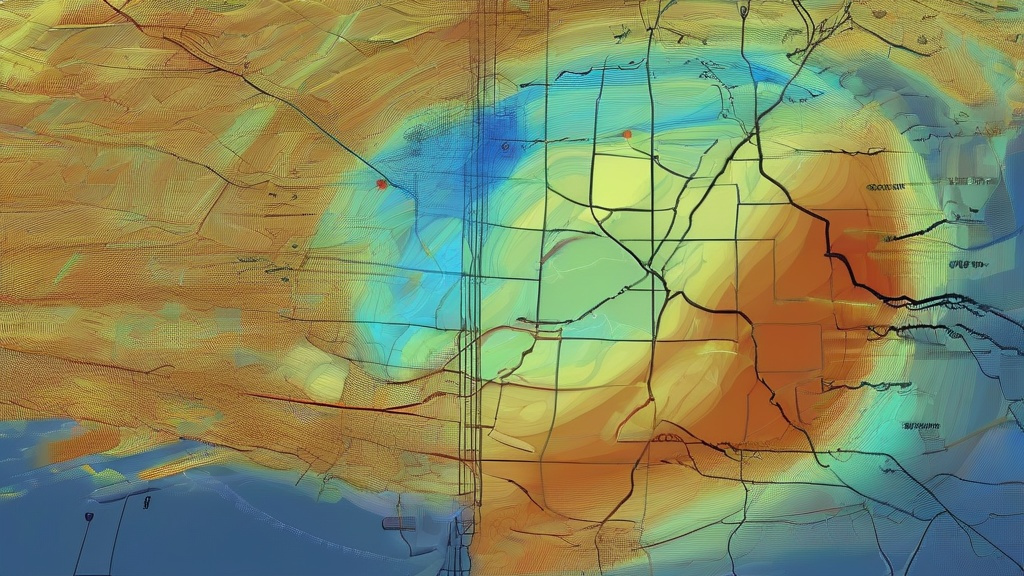
The world is witnessing an unprecedented surge in extreme heat events. From record-breaking temperatures in Europe to prolonged heatwaves across Asia and North America, the consequences of climate change are becoming impossible to ignore. Traditional climate modeling tools, while valuable, often struggle to keep pace with the rapidly evolving patterns of global warming. Enter artificial intelligence (AI)—a transformative force that is redefining how we predict, prepare for, and respond to climate-induced disasters.
AI's ability to process vast datasets, identify hidden patterns, and generate actionable insights has made it indispensable in the fight against climate change. When it comes to extreme heat, AI models can analyze historical weather data, atmospheric conditions, and even urban infrastructure characteristics to forecast heatwaves with remarkable accuracy. This predictive power not only saves lives but also enables governments and communities to implement proactive measures, from adjusting energy grids to issuing early warnings.
AI-Powered Climate Modeling: From Data to Predictions
Traditional climate models rely on physical equations and historical trends to simulate future scenarios. While effective, these models have limitations when dealing with the chaotic nature of weather systems. AI, particularly machine learning (ML), introduces a paradigm shift by learning directly from data without explicit programming. Neural networks, for example, can detect subtle correlations between ocean temperatures, jet stream patterns, and land surface conditions that human analysts might miss.
One groundbreaking application is Google's GraphCast, an ML-based weather prediction system. Unlike conventional models that require supercomputers, GraphCast runs on consumer-grade hardware yet delivers 10-day forecasts in under a minute. During the 2023 European heatwave, GraphCast accurately predicted temperature anomalies days in advance, giving authorities crucial time to activate cooling centers and adjust agricultural practices.
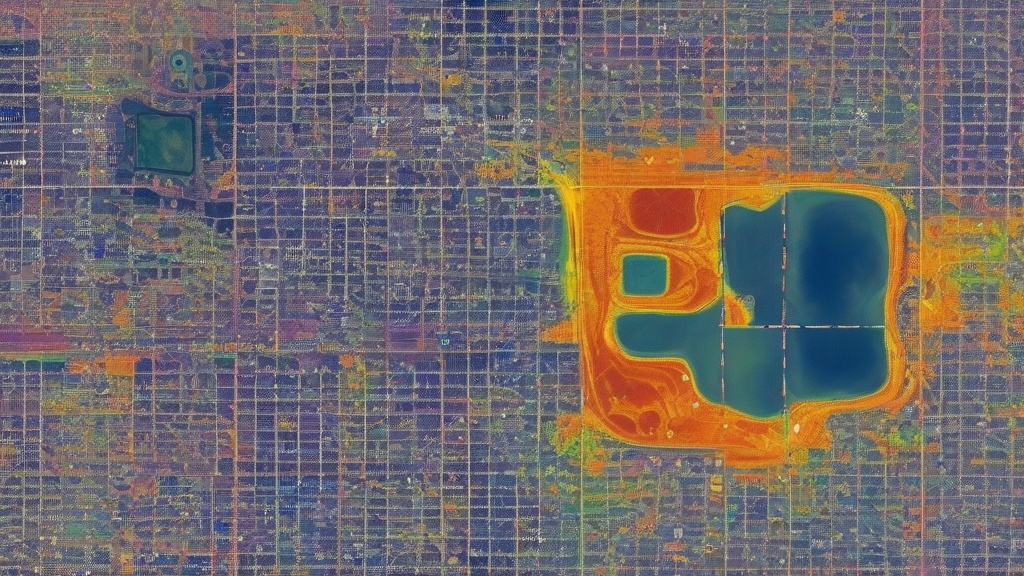
Another innovative approach involves satellite imagery analysis. AI algorithms can process real-time data from thermal sensors to map urban heat islands—areas where concrete and asphalt trap heat, exacerbating local temperatures. Cities like Los Angeles and Singapore now use AI-driven heat maps to prioritize tree planting, install reflective pavements, and redesign building layouts to reduce heat retention.
Energy Systems Under Stress: AI Optimizes Grid Resilience
Extreme heat places immense strain on energy infrastructure. Air conditioners run nonstop, pushing demand to record levels. Simultaneously, high temperatures reduce the efficiency of solar panels and thermal power plants. Without intelligent management, this dual pressure can lead to blackouts—a scenario that became reality in Texas during the 2021 winter storm and California during the 2022 heatwave.
AI offers a solution by enabling dynamic grid management. Utility companies now deploy ML algorithms to predict peak demand hours, optimize power distribution, and integrate renewable energy sources seamlessly. For instance, DeepMind's collaboration with the UK National Grid reduced wind energy forecasting errors by 20%, ensuring reliable power supply even during heatwaves.
Smart meters, another AI-driven innovation, provide real-time consumption data to both consumers and utilities. Homeowners receive personalized recommendations to shift energy use to off-peak hours, while grid operators balance supply and demand more efficiently. In Phoenix, Arizona, a pilot program using AI-powered smart thermostats reduced peak electricity demand by 15% during a 2023 heatwave, preventing potential outages.

Public Health in the Hot Seat: AI Saves Lives During Crises
Heatwaves are silent killers. The World Health Organization estimates that between 1998 and 2017, more than 166,000 people died due to extreme heat. Vulnerable populations—the elderly, low-income communities, and outdoor workers—face the highest risks. AI is transforming public health responses by enabling hyper-localized risk assessments and targeted interventions.
In Ahmedabad, India, a heat action plan powered by AI analyzes meteorological data, hospital admissions, and demographic information to predict heat-related illnesses. When risks spike, the system triggers automated alerts to schools, hospitals, and community centers. Since its implementation in 2013, heatwave mortality in Ahmedabad has dropped by over 40%.
Wearable technology, combined with AI, is also making a difference. Devices like the Embr Wave bracelet monitor body temperature and hydration levels, alerting users when they are at risk of heat exhaustion. Employers in construction and agriculture use similar tools to protect workers, adjusting schedules and providing cooling stations based on real-time data.
Looking ahead, AI could integrate with urban planning to create 'climate-resilient cities.' Imagine buildings that adjust their insulation based on weather forecasts, parks designed to maximize shade and airflow, and transportation systems that reduce heat-generating traffic. These innovations are not far-fetched—they are already in development, thanks to AI's ability to simulate and optimize complex systems.
The marriage of AI and climate science represents humanity's best hope for navigating the era of extreme weather. By harnessing data, predicting crises, and optimizing responses, we can turn the tide against rising temperatures. The challenge is immense, but with AI as our ally, the future need not be a dystopian vision of scorching heatwaves and failing infrastructure. Instead, it can be a world where technology and nature coexist in harmony, safeguarding both the planet and its people.