The skies have turned unrecognizable. What were once gentle drizzles now unleash torrential downpours. Cities designed for moderate rainfall drown under sudden deluges. Rivers overflow their banks with terrifying regularity. This isn't mere bad weather—it's climate change rewriting the rules of precipitation.
Over the past decade, extreme rainfall events have increased by 34% in mid-latitude regions. The physics are clear: warmer air holds 7% more moisture for every 1°C rise in temperature. What falls as rain now carries the fingerprint of a planet in crisis, transforming familiar landscapes into scenes of chaos and adaptation.
The Science of Saturated Skies: Why Rainfall Patterns Are Breaking Down
Traditional meteorological models relied on predictable seasonal patterns. Those days are gone. Climate change has disrupted atmospheric circulation, creating persistent high-pressure systems that block normal weather progression. The result? Stalled weather fronts dumping catastrophic rainfall over single regions for days.
In 2021, western Europe experienced what meteorologists called a "medicane"—a Mediterranean hurricane that dropped six months' worth of rain in 72 hours. The physics behind this phenomenon reveal a disturbing trend: as Arctic ice melts, jet stream patterns weaken, allowing weather systems to meander rather than move swiftly.
Ocean temperatures play an equally critical role. Warm sea surfaces fuel tropical storms with unprecedented intensity. Hurricane Harvey's 60-inch rainfall over Houston in 2017 became possible because Gulf waters were 2.7°C above average. These supercharged systems now routinely break historical precipitation records.
When Rain Becomes a Disaster: The Cascading Impacts of Extreme Wetness
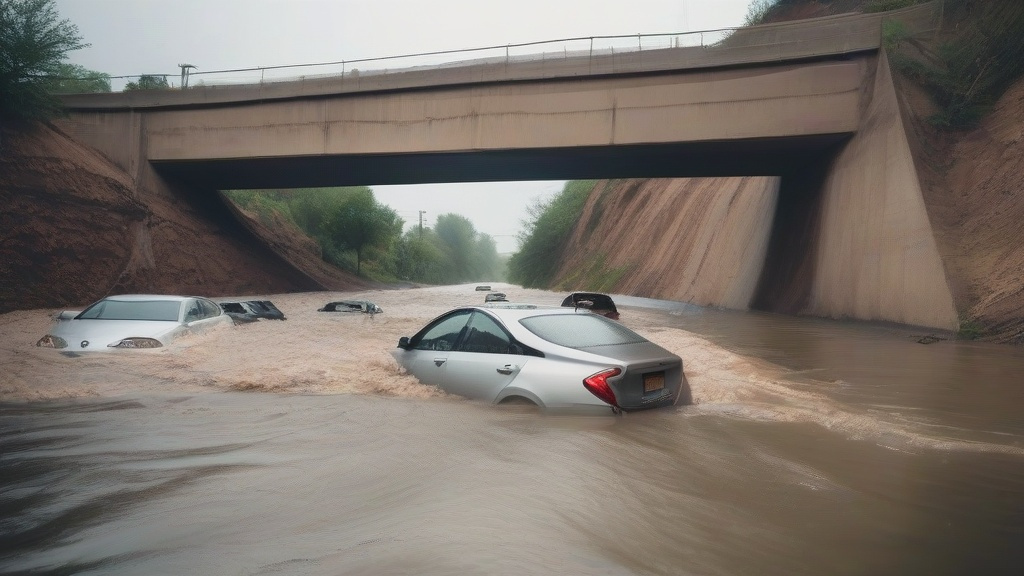
The immediate human toll is staggering. Flash floods now account for 84% of flood-related disasters globally, killing an average of 5,000 people annually. In July 2022, China's Zhengzhou city saw a year's worth of rain in three days, submerging subway tunnels and claiming 302 lives.
Ecosystems face equally dire consequences. Freshwater fish populations collapse as silt-choked rivers become uninhabitable. Invasive species thrive in the altered conditions, outcompeting native flora. The Amazon rainforest, once a carbon sink, now emits more CO2 than it absorbs during extreme rain years due to accelerated decomposition.
Urban infrastructure reveals its fragility. London's Victorian sewer system, designed for 19th-century rainfall patterns, now overflows into the Thames 50 times annually. Tokyo has invested $2 billion in underground flood tunnels after repeated inundations. Even arid regions like Phoenix face unexpected flooding as rare storms overwhelm desert soils unable to absorb sudden moisture.
Building Resilience: How Cities and Communities Are Adapting to Wetter Worlds
Forward-thinking municipalities are reimagining their relationship with water. Rotterdam's "Water Plaza" transforms parking lots into temporary reservoirs during heavy rains. Singapore's ABC Waters Program integrates drainage with public spaces, creating 17 reservoirs that double as recreational areas.
Technological innovations offer new defense layers. AI-powered flood prediction systems in Seoul now provide 90-minute warnings with 92% accuracy. Permeable pavements in Copenhagen allow 70% of rainfall to infiltrate groundwater rather than overwhelming sewers. Even architectural design is evolving—Miami now requires new buildings to withstand 16 inches of rain in 24 hours.
Community-level adaptations prove equally vital. Bangladesh's early warning systems, combining river gauges with mobile alerts, have reduced flood fatalities by 50% since 2007. Indigenous knowledge systems are being revived, with Australia's Aboriginal communities teaching urban planners about natural water retention landscapes that have existed for millennia.
The path forward demands systemic change. Climate-resilient infrastructure must become standard rather than exceptional. Urban planning needs to prioritize green spaces and water absorption. Most critically, global carbon emissions must peak by 2025 to prevent precipitation patterns from spiraling further out of control.
As the rain falls harder and more unpredictably, humanity faces a stark choice: adapt or be overwhelmed. The solutions exist—what remains uncertain is whether we can implement them at the scale and speed demanded by our changing skies.