The Vanishing Snow Blanket: AI Tracks Climate-Driven Changes
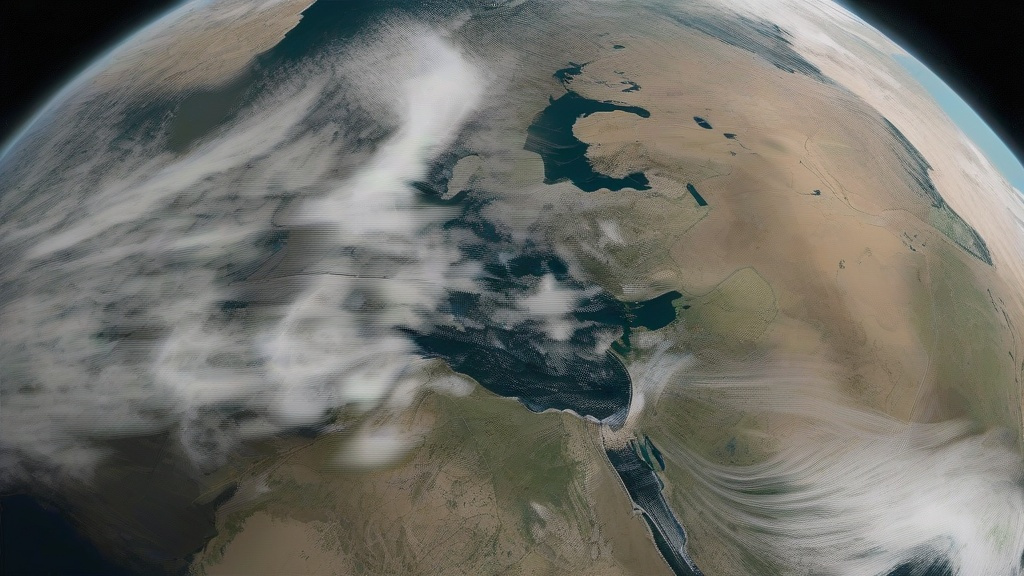
Winter landscapes once draped in thick snow are now experiencing erratic transformations. In mountainous regions like the Swiss Alps or Colorado Rockies, satellite imagery analyzed by AI algorithms reveals a 30% decline in average snowpack depth over the past two decades. Machine learning models trained on historical climate data show that rising global temperatures disrupt precipitation patterns, causing more winter rain instead of snow in traditionally snowy zones.
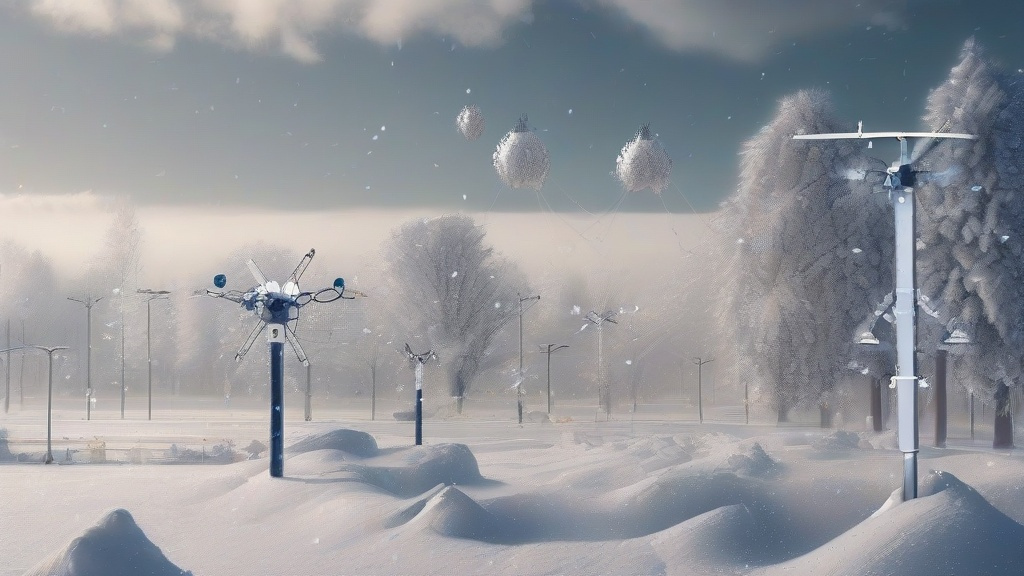
AI-powered weather stations now deploy in remote areas where traditional sensors fail. These stations use computer vision to analyze snow crystal shapes in real-time, detecting subtle changes in atmospheric conditions that precede abnormal snowfall events. In Norway's Svalbard archipelago, researchers found that AI could predict snowmelt timing with 92% accuracy by analyzing temperature gradients and cloud cover patterns.
The ecological consequences appear stark. In Yellowstone National Park, AI-monitored wildlife cameras show grizzly bears emerging from hibernation three weeks earlier than in the 1990s due to milder winters. This disrupts the natural balance between predator and prey species, with AI models projecting a 40% increase in human-wildlife conflicts by 2040 if current trends continue.
Smart Snow Management: AI Optimizes Winter Infrastructure
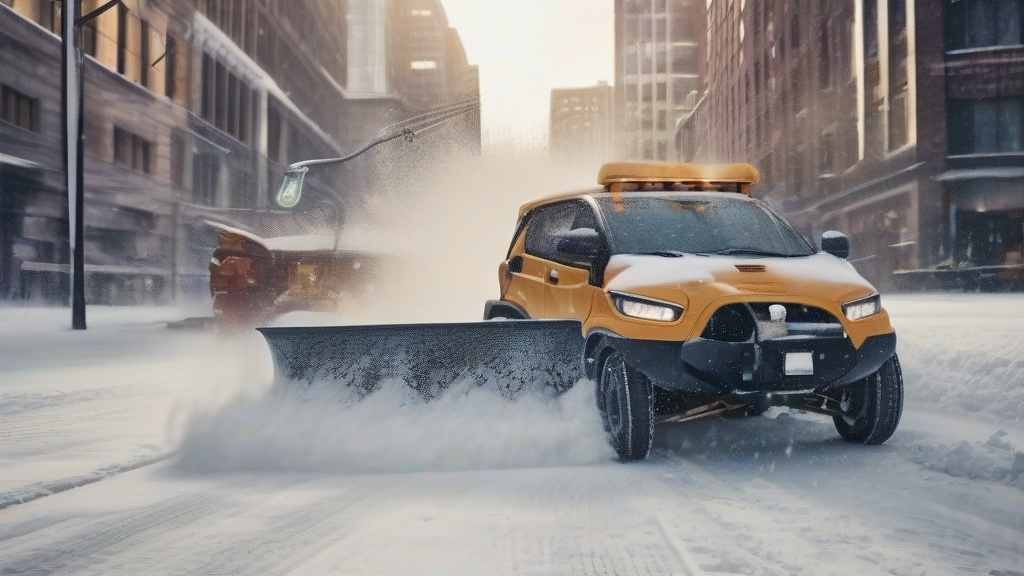
Cities facing heavier snowstorms now rely on AI for smarter snow removal strategies. Boston's Department of Public Works uses predictive analytics to deploy plows before storms hit, reducing response times by 50%. The system processes real-time data from 500 IoT sensors embedded in roads, combined with weather forecasts and historical traffic patterns.
In Japan's Hokkaido region, AI-driven snow compression machines compact snowbanks into reusable ice blocks for summer cooling. These machines use reinforcement learning to optimize compression force based on snow density measurements, reducing energy consumption by 35% compared to traditional methods. The technology also prevents snow-related infrastructure damage that costs municipalities millions annually.
Ski resorts face existential threats from unreliable snowfall. Vail Resorts in Colorado now uses generative AI to create hyper-realistic snowmaking schedules. The system analyzes humidity, wind direction, and temperature forecasts to activate snow guns only during optimal conditions, cutting water usage by 28% while maintaining slope quality. This adaptation may prove crucial as natural snow days decline across North American ski destinations.
Citizen Science in the Snow: How Everyone Can Contribute
AI democratizes climate monitoring through smartphone apps that turn ordinary people into data collectors. The SnowWatch app, developed by MIT researchers, uses phone cameras and GPS to map snow depth across urban and rural areas. Over 120,000 volunteers have contributed data, creating the world's largest crowdsourced snow database.
In Finland, schoolchildren participate in the 'Snowflake ID' project, photographing snow crystals with their tablets. Convolutional neural networks analyze these images to track changes in snowflake complexity—an indicator of atmospheric pollution levels. Preliminary results show a 15% decrease in snowflake arm count near industrial zones, suggesting rising particulate matter in the air.
Community-driven AI projects also help Indigenous populations adapt. The Sámi people in northern Scandinavia use AI-powered reindeer tracking collars that predict grazing patterns based on snow quality data. When the system detects thin ice layers, it alerts herders to move animals to safer areas, reducing winter mortality rates by 22% in pilot regions.