The planet's climate system is undergoing unprecedented transformations, with extreme weather events becoming both more frequent and severe. Among these, typhoons and thunderstorms stand out as dramatic manifestations of climate change's power. These phenomena not only reshape landscapes but also challenge human resilience, forcing societies to confront the realities of a warming world.
Scientific consensus confirms that rising global temperatures alter atmospheric dynamics, creating conditions ripe for intensified storms. Warmer ocean surfaces provide additional energy for typhoon formation, while increased atmospheric moisture fuels heavier rainfall. Meanwhile, urbanization and deforestation exacerbate these effects by altering local climate patterns. The consequences ripple across ecosystems, economies, and daily life, demanding urgent attention from policymakers and communities alike.
The Science Behind Escalating Storm Intensity
Typhoons, known as hurricanes in the Atlantic and cyclones in the Indian Ocean, derive their energy from warm ocean waters. As sea surface temperatures rise—averaging 0.14°C per decade since 1901—the potential for storm intensification grows. A 1°C increase in ocean temperature can boost a typhoon's maximum wind speed by up to 5%, according to research from the Pacific Typhoon Research Center.
Thunderstorms, too, are becoming more volatile. Rising temperatures increase atmospheric instability, creating stronger updrafts that fuel severe lightning and hail. A 2022 study in Nature Climate Change found that lightning activity in tropical regions has surged by 12% per decade since 1980, directly correlating with warming trends.
These changes stem from complex interactions between ocean currents, air pressure systems, and greenhouse gas concentrations. The El Niño-Southern Oscillation (ENSO), for instance, now interacts unpredictably with climate change, amplifying storm risks in some regions while reducing them in others. This unpredictability underscores the need for adaptive forecasting models that incorporate real-time climate data.

Ecological and Human Toll of Extreme Weather
Typhoons leave a trail of ecological devastation. In 2023, Super Typhoon Haiyan's successor struck the Philippines with sustained winds of 215 km/h, flattening mangrove forests that serve as critical fish nurseries. Coral reefs, already stressed by ocean acidification, face additional damage from storm-driven sedimentation and freshwater influx.
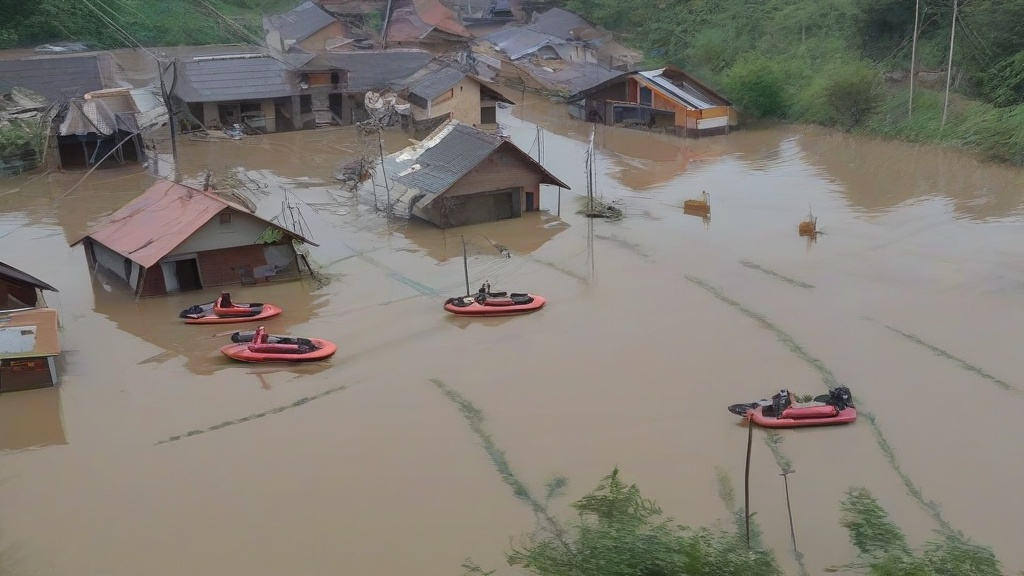
Human communities bear the brunt of these disasters. In Bangladesh, annual monsoon-enhanced thunderstorms trigger landslides that bury entire villages, while coastal typhoons displace millions. The economic costs are staggering: the World Bank estimates that climate-related disasters cost developing nations $94 billion annually, with storm damage accounting for 60% of these losses.
Health impacts compound these challenges. Post-storm outbreaks of waterborne diseases like cholera spike due to contaminated water supplies, while mental health crises surge among survivors. A 2021 Lancet study linked increased thunderstorm asthma incidents to climate-driven pollen surges, highlighting the interconnectedness of environmental and human health.
Building Resilience in a Storm-Prone Future
Adaptation strategies must evolve alongside changing climate patterns. Early warning systems, powered by AI and satellite technology, now provide 72-hour advance notices for typhoons in Southeast Asia, enabling preemptive evacuations. Singapore's "Sponge City" initiative, which transforms urban areas into rainwater absorption zones, reduces flood risks during intense thunderstorms.
Ecological restoration offers long-term solutions. Vietnam's coastal mangrove replanting program has reduced typhoon damage by 25% in protected areas, while Thailand's artificial reef projects stabilize shorelines against storm surges. These nature-based approaches often prove more cost-effective than traditional engineering solutions.
At the individual level, disaster preparedness kits and community drills save lives. In Japan, where typhoons strike annually, schools conduct monthly earthquake-and-storm drills, instilling a culture of resilience. Meanwhile, microinsurance schemes in the Philippines help farmers recover from crop losses, demonstrating how financial tools can buffer climate impacts.
The path forward demands global cooperation. The Paris Agreement's framework for limiting warming to 1.5°C remains critical, but local actions matter equally. From rooftop solar panels that reduce urban heat islands to community-led flood barriers, grassroots innovations complement top-down policies. As storms grow fiercer, humanity's ability to adapt will define our collective future.