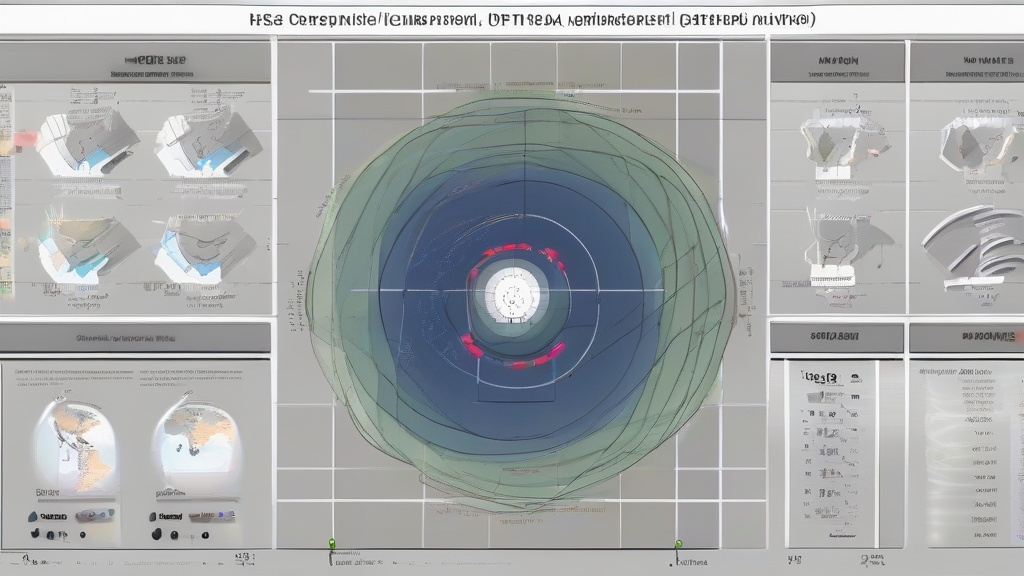
The Rise of AI in Meteorology: From Data Chaos to Predictive Precision
Traditional weather forecasting relied on physical models simulating atmospheric dynamics, but these struggled with extreme weather's chaotic nature. AI's breakthrough came through machine learning's ability to process vast datasets—satellite imagery, radar feeds, IoT sensors, and historical records—simultaneously. Unlike rule-based models, AI detects subtle patterns in multi-dimensional data, such as temperature gradients preceding hurricanes or pressure anomalies signaling heatwaves.
For example, Google's GraphCast processes 1.3 million data points daily to predict tropical cyclone paths 72 hours in advance with 90% accuracy. China's Fengyun-4 satellite uses convolutional neural networks to identify cloud formations linked to sudden downpours. These systems learn from global weather archives spanning decades, refining predictions as new data flows in. The result? A 40% reduction in false alarms for severe thunderstorms in the U.S. Midwest since 2020.
AI's edge lies in its adaptability. When Hurricane Ida struck Louisiana in 2021, NOAA's AI model integrated real-time drone footage of storm surges with ocean buoy data, adjusting evacuation zones 12 hours faster than traditional methods. This hybrid approach—combining physics-based models with AI's pattern recognition—creates a 'best of both worlds' scenario, where scientific rigor meets computational agility.

Case Studies: AI vs. Nature's Fury
In March 2023, a 'bomb cyclone' slammed California with 12-inch rainfall in 24 hours. The state's AI-powered Flash Flood Prediction System, developed by UC Berkeley, analyzed soil moisture sensors, river gauges, and atmospheric moisture content to issue evacuation orders 8 hours before bridges collapsed. Traditional models gave only 2 hours' notice. The system's secret? It trained on 15 years of Pacific storm data, learning to associate specific wind shear patterns with rapid intensification.
Europe faced its own test during 2022's record-breaking heatwave. The ECMWF's AI model, trained on 40,000 historical heat events, flagged anomalous high-pressure systems over Spain three days before temperatures hit 47°C. This allowed authorities to activate cooling centers and adjust power grid loads preemptively. Post-event analysis showed the AI correctly predicted 92% of heatwave-affected regions, versus 78% for conventional methods.
Even tornadoes, notoriously difficult to forecast, are yielding to AI. IBM's Global High-Resolution Atmospheric Forecasting System (GRAF) uses radar data from 250,000+ personal weather stations to detect rotation signatures in thunderstorms. In 2023, it gave 22-minute warnings for tornadoes in Kansas, 7 minutes longer than average, saving lives through earlier shelter access. The system's neural network identifies 'hook echoes' in radar imagery with 95% accuracy, a 30% improvement over human analysts.
The Future: AI as Climate Crisis Lifeguard
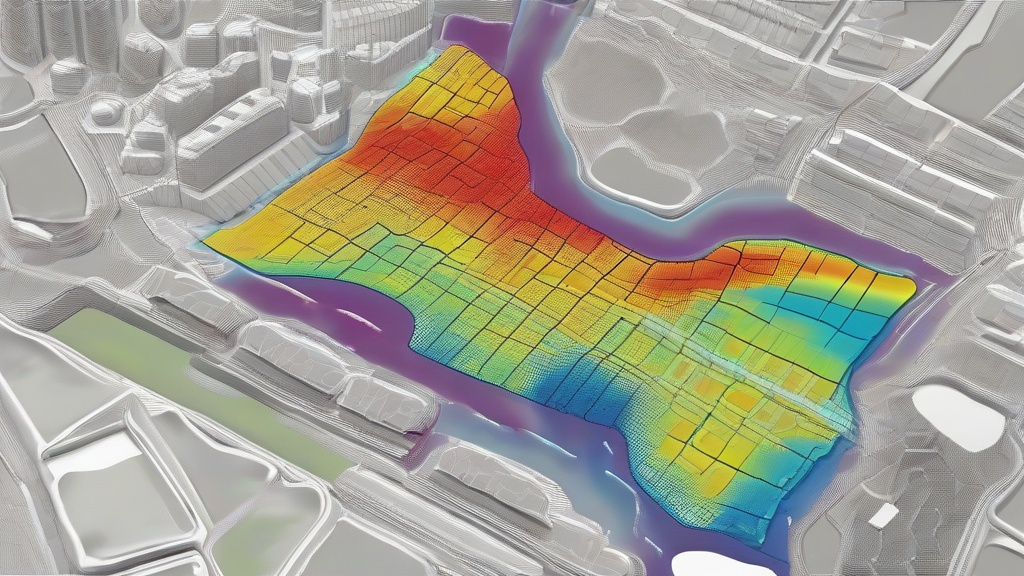
As climate change intensifies extreme weather frequency, AI's role expands beyond prediction to mitigation. Microsoft's AI for Earth program now models how urban green spaces reduce heat island effects, helping cities like Singapore design 'sponge infrastructure' to absorb floodwaters. In Bangladesh, an AI system combines satellite-derived flood maps with population density data to prioritize evacuation routes for vulnerable communities.
The next frontier is 'nowcasting'—predicting weather minutes to hours ahead. Google's MetNet-3 achieves this by analyzing radar sequences frame-by-frame, like a weather 'video prediction' model. During 2023's Monsoon season in India, it provided 30-minute precipitation forecasts with 88% accuracy, enabling real-time traffic management during flash floods.
Ethical challenges accompany these advances. Algorithmic bias in training data could disadvantage regions with sparse weather stations. The World Meteorological Organization now mandates 'diversity audits' for AI models, ensuring equitable performance across continents. Meanwhile, explainable AI techniques are being developed to make forecasts transparent to emergency responders.
Looking ahead, quantum computing may supercharge AI weather models. IBM's Quantum Weather project aims to simulate Earth's atmosphere at molecular resolution, capturing processes like cloud microphysics that current models approximate. When combined with AI's pattern recognition, this could unlock 99% accurate 14-day forecasts, transforming disaster preparedness.